
Choosing the right custom apparel printing method can make or break your project. Whether you're launching a clothing line, outfitting a sports team, or creating branded merchandise, the printing technique you select impacts everything from quality to cost.
The good news? Once you understand the basics, the decision becomes straightforward. Let's break down exactly what you need to know.
The Main Custom Apparel Printing Methods You Should Know
Not all custom t shirt printing methods are created equal. Each technique has specific strengths that make it ideal for certain projects.
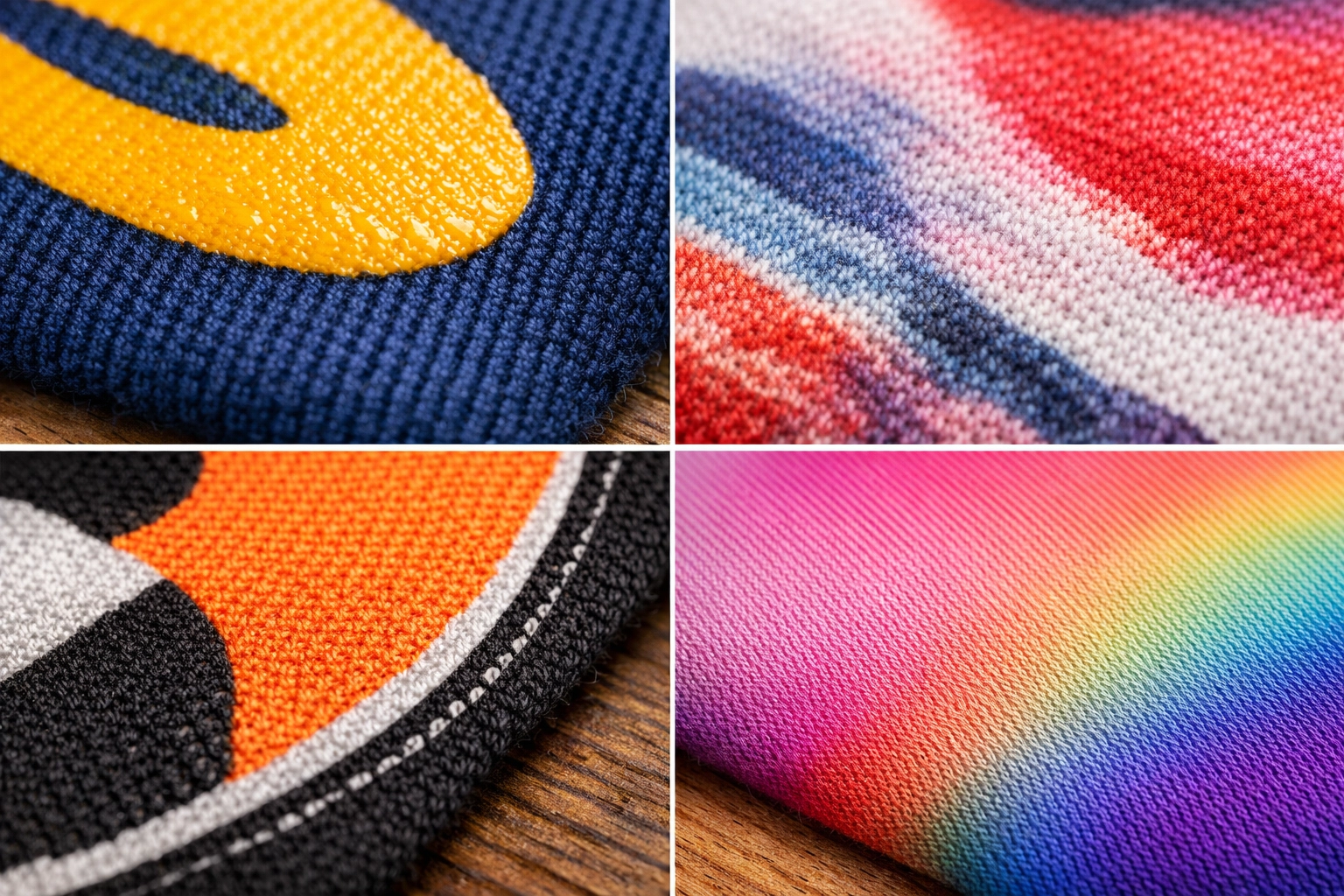
Screen Printing remains the gold standard for large orders. It uses stencils and mesh screens to apply layers of ink directly onto fabric. The result? Vibrant, durable prints that withstand countless washes.
Direct-to-Garment (DTG) Printing works like a printer for fabric. It sprays water-based inks directly onto cotton garments, creating photo-quality designs with incredible detail.
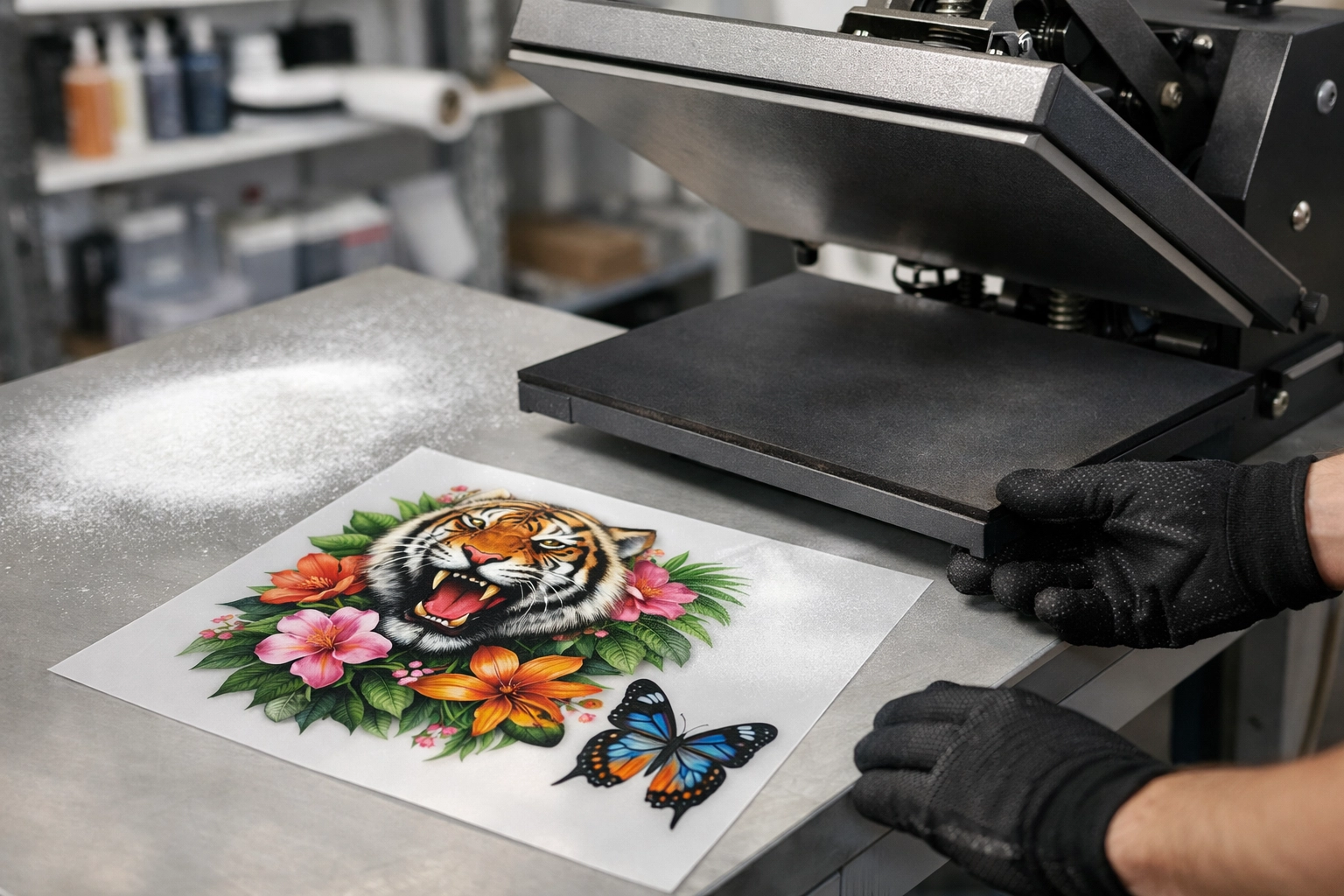
Direct-to-Film (DTF) Printing transfers designs from a special film onto fabric using heat and adhesive. This versatile method works on virtually any material.
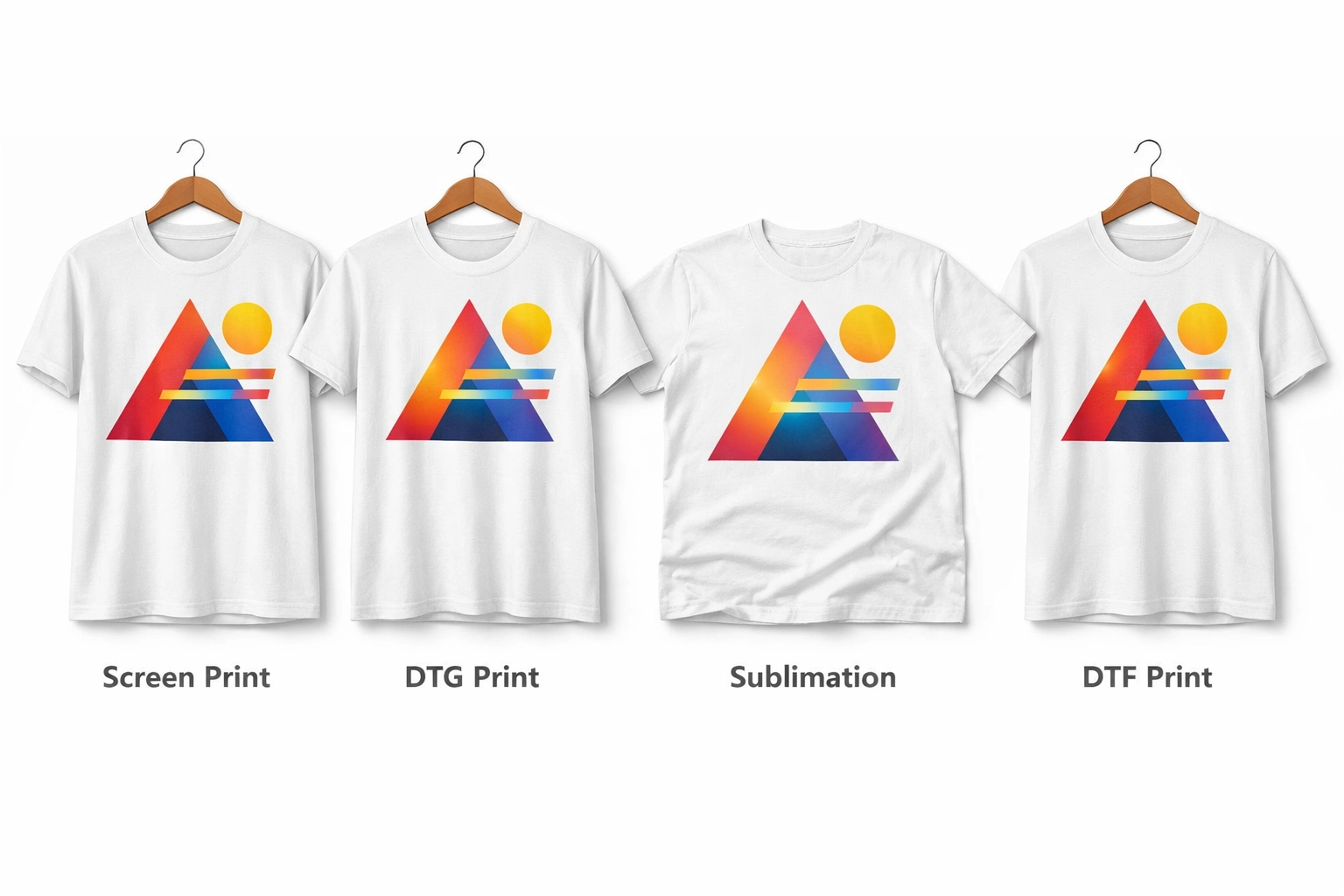
Sublimation Printing uses heat to turn ink into gas, which then bonds with polyester fibers. The design becomes part of the fabric itself.
Heat Transfer and Vinyl methods apply pre-cut designs or transfers using heat and pressure. These work quickly for small batches and specialty materials.
Each method has its place. The trick is matching the right technique to your specific needs.
What's Your Order Size?
Your quantity dramatically influences which printing method makes financial sense.
Small Batches (1-50 pieces)
For limited runs, you need flexibility without breaking the bank:
- DTG printing eliminates setup fees entirely
- DTF printing offers quick turnaround with no minimum orders
- Heat transfer works perfectly for one-off custom pieces
- Vinyl printing excels for names, numbers, and simple graphics
These methods let you test designs or create custom pieces without committing to large quantities. Each piece takes the same time to produce, but you avoid expensive setup costs.
Medium Orders (50-250 pieces)
This quantity range opens up more options:
- DTF printing remains cost-effective and versatile
- Screen printing starts becoming economical for simpler designs
- Combination approaches can optimize both quality and budget
Large Volume (250+ pieces)
Screen printing dominates bulk orders. The per-unit cost drops significantly once you amortize setup across hundreds of pieces. For massive orders with consistent designs, nothing beats screen printing's efficiency and economy.
At Truth Be Told Apparel, we help you calculate the breakeven point for your specific project.
How Complex Is Your Design?
Design complexity should guide your method selection just as much as quantity.
Simple Designs (1-5 Colors, Basic Graphics)
Screen printing shines here. Clean lines, solid colors, and straightforward logos look crisp and professional. Each color requires its own screen, so keeping designs simple maximizes cost-effectiveness.
Detailed Artwork (Photos, Gradients, Unlimited Colors)
Complex designs need different solutions:
- DTG printing creates photo-realistic images with smooth color transitions
- DTF printing handles intricate details across multiple fabric types
- Sublimation produces vibrant, all-over patterns without color limits
These methods don't charge per color. A two-color design costs the same as a twenty-color masterpiece.
All-Over Prints and Patterns
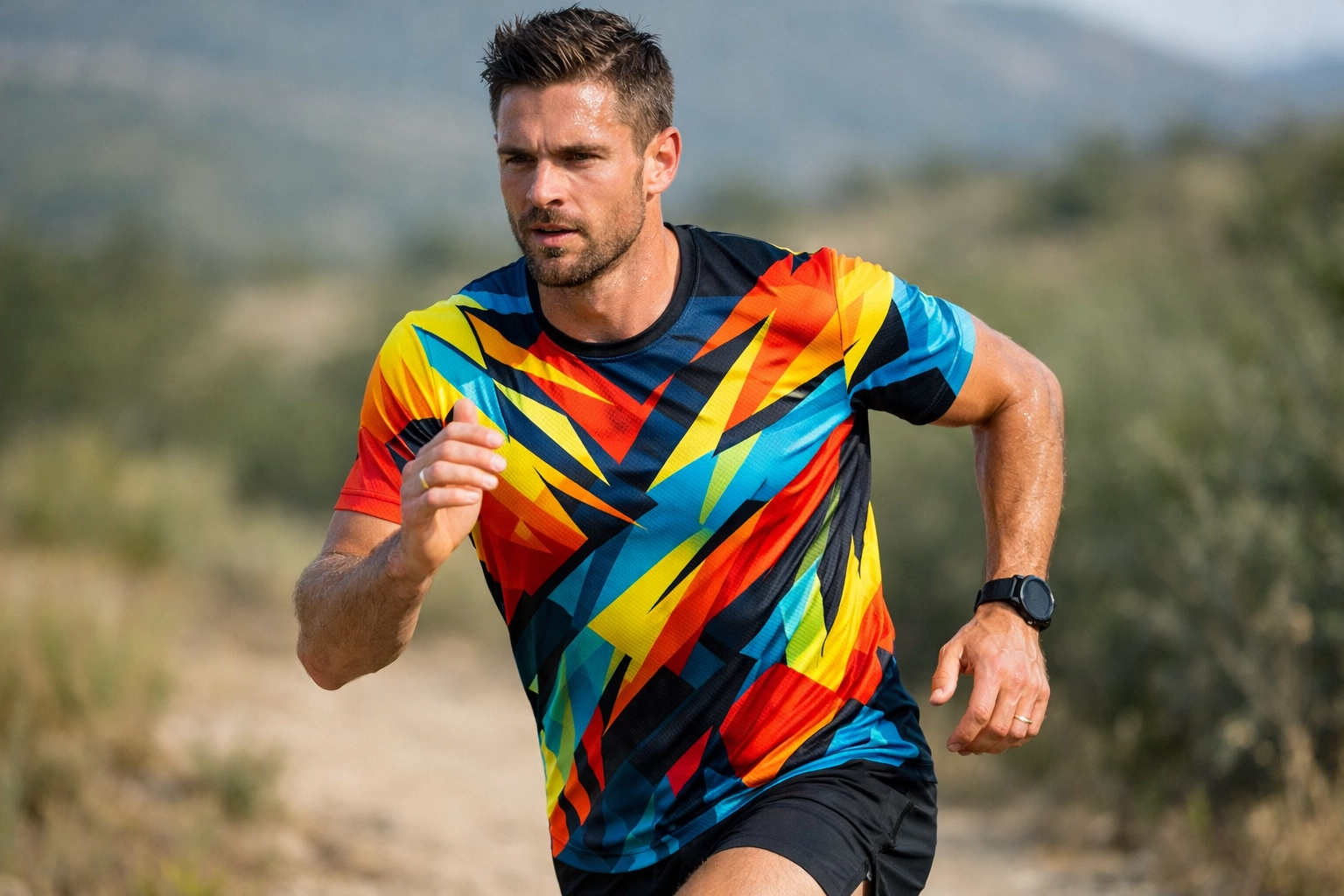
Sublimation printing owns this category. It covers entire garments with seamless patterns, creating custom looks impossible with other methods. Perfect for activewear, swimwear, and bold fashion statements.
What Fabric Are You Printing On?
Fabric type isn't just a detail: it determines which methods will even work.
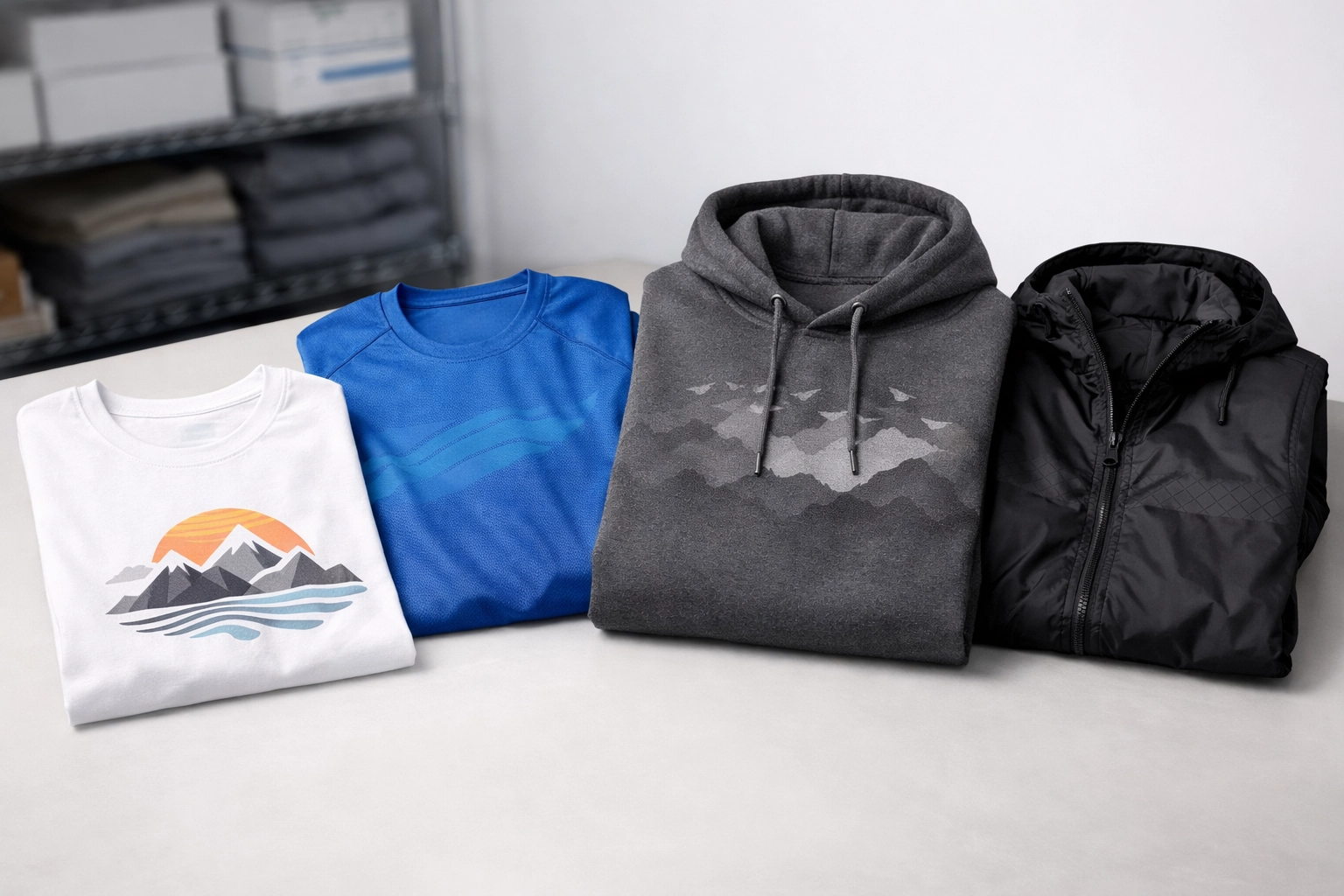
100% Cotton and High-Cotton Blends
DTG printing delivers optimal results on cotton:
- Maximum color vibrancy
- Soft hand feel
- Photo-quality detail
- No texture changes to the fabric
Screen printing also performs beautifully on cotton, offering exceptional durability for designs that will see heavy use.
Polyester and Performance Fabrics
Sublimation printing transforms polyester garments:
- Colors become part of the fabric
- Zero added texture or weight
- Maintains moisture-wicking properties
- Won't crack, peel, or fade
This makes sublimation ideal for sports uniforms, activewear, and technical apparel.
Mixed Materials and Versatile Options
DTF printing works across the widest range of materials:
- Cotton
- Polyester
- Blends
- Nylon
- Fleece
- Even leather and some plastics
If you're printing on multiple garment types or unusual materials, DTF offers unmatched flexibility.
Cost vs. Durability: The Long Game
Initial printing cost tells only part of the story. Durability impacts long-term value significantly.
Most Durable Methods
Screen printing and sublimation top the longevity charts:
- Screen printing creates thick, resilient ink layers that last for years
- Sublimation bonds with fabric permanently: the design can't peel or crack
- Both withstand industrial washing and heavy wear
DTF printing also delivers impressive durability, resisting cracking and peeling through countless wash cycles.
Moderate Durability
DTG printing produces durable prints on cotton, though they may fade slightly faster than screen printing. Proper care extends lifespan significantly.
Lower Durability Options
Heat transfer and vinyl methods offer speed and convenience but may:
- Crack over time
- Peel at edges
- Fade faster than other methods
These work well for short-term use, special events, or frequently updated designs.
Quick Decision Guide: Which Method Is Right for You?
Still not sure? Use this practical framework:
Choose Screen Printing When:
- You need 250+ identical pieces
- Your design uses 5 or fewer colors
- Durability is paramount
- You want the lowest per-unit cost
Choose DTG Printing When:
- You need small batches (under 50 pieces)
- Your design includes photos or complex artwork
- You're printing on 100% cotton
- You want a soft, vintage feel
Choose DTF Printing When:
- You need versatility across fabric types
- Order sizes vary from small to medium
- Designs are detailed and colorful
- Quick turnaround matters
Choose Sublimation When:
- You're working with polyester fabrics
- You want all-over prints
- Creating performance or activewear
- Maximum color vibrancy is essential
Choose Heat Transfer/Vinyl When:
- You need single pieces or very small runs
- Adding names and numbers to garments
- Working with specialty materials
- Speed trumps longevity
Real-World Application Examples
Understanding theory helps, but seeing practical applications makes decisions easier.
Sports Teams and Teamwear: Sublimation excels for polyester jerseys and performance gear. Screen printing works perfectly for cotton practice shirts in bulk. Check out our screen printing services for team apparel.
Retail and E-commerce: DTG printing allows on-demand production without inventory risk. Print designs as orders come in, testing styles before committing to bulk production.
Corporate Branding: Screen printing delivers cost-effective professional apparel for large employee groups. DTF printing adds flexibility for varying sizes and styles.
Schools and Classrooms: Our classroom apparel and spirit wear programs use appropriate methods based on quantity and design complexity.
Custom Merchandise: DTG and DTF printing enable unique, personalized products without minimum orders. Perfect for limited editions and special requests.
Making Your Final Decision
Choosing the best custom apparel printing method doesn't require guesswork. Focus on three core factors:
- How many pieces do you need? (Quantity drives method selection)
- How complex is your design? (Detail level determines technical requirements)
- What fabric are you using? (Material dictates compatible methods)
Answer these questions honestly, and the right printing method becomes obvious.
Ready to Get Started?
At Truth Be Told Apparel, we guide you through every decision. Our team evaluates your specific needs and recommends the optimal printing method for your project.
We offer:
- Free consultations on method selection
- Competitive pricing across all printing techniques
- Expert design assistance
- Fast turnaround times
- Quality guarantees on every order
Whether you need one custom piece or thousands of identical items, we match the right technique to your vision. Visit our shop to explore options or contact us for personalized guidance.
Your perfect custom apparel starts with the right printing method. Let's find yours together.


